After a storm we look at the frame first. Mesh is the last question, not the first.
A blown-out panel with a straight frame usually means the enclosure did exactly what it was designed to do. What we come out to establish is whether that is what happened, or whether the frame took the load instead.
| Item | Specified as | Why it is on the sheet |
|---|---|---|
| Posts | Plumb, both axes | A post out of plumb has moved. Something made it move and that has to be found. |
| Beams | Line and deflection | Sighting along the eave beam and the roof beams for a set that was not there before. |
| Splices | Open / closed | Beam joints that have pulled are how a frame tells you it was overloaded. |
| Anchors | Grip in concrete | Movement, rust weep, spalled concrete at the base plate. The most common real failure. |
| Gutter | Fixings and fall | Super gutter is structure on many cages, not an accessory. |
| Mesh | Assessed last | Quoted only once the frame is understood. |
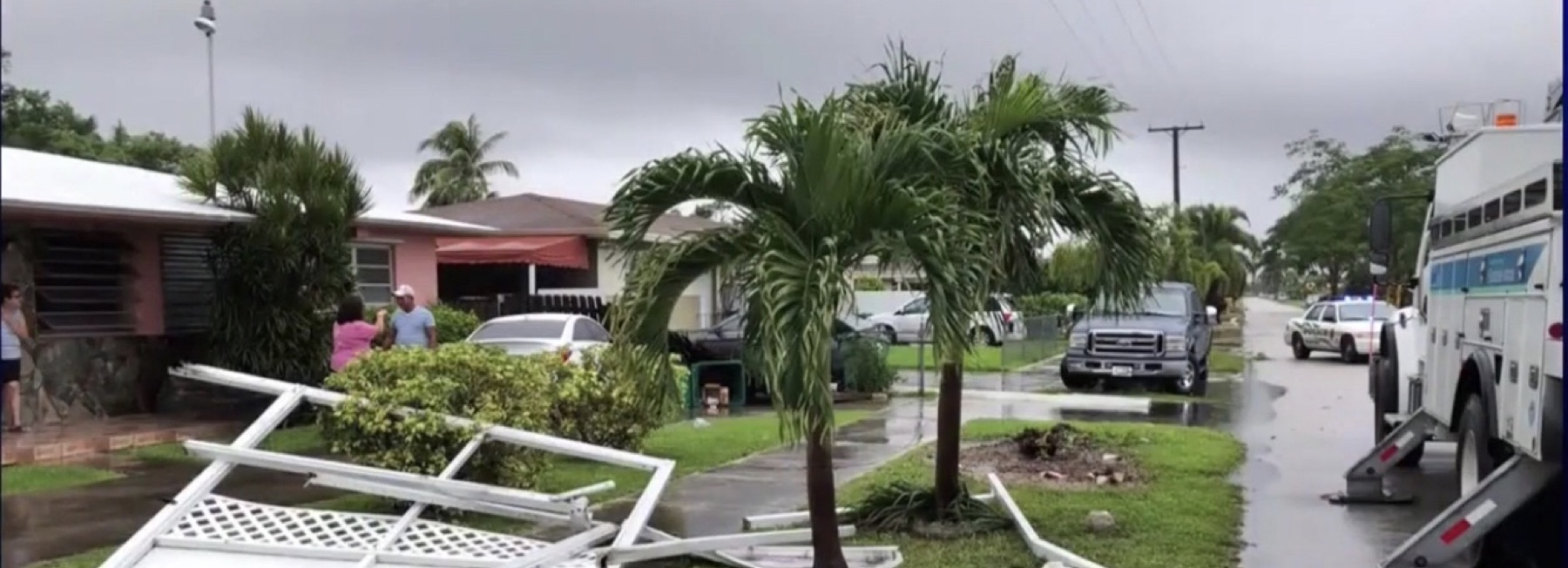
The frame is the question after a storm. The mesh is the easy part.
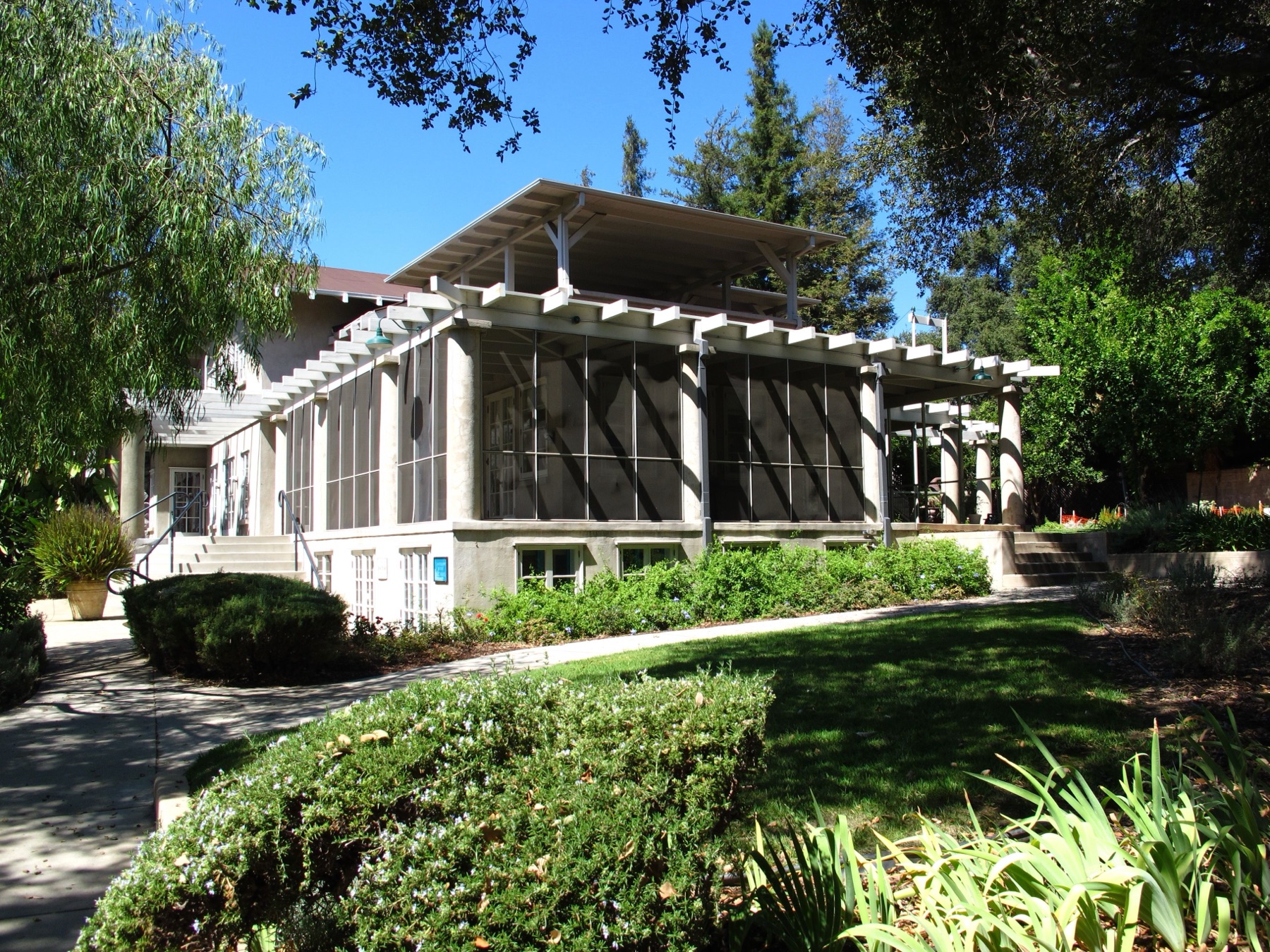 Photograph to follow
Screen is supposed to blow out
This is the single most misunderstood thing about screen enclosures, and it changes how you should read the damage in your own back garden.
Mesh is engineered to release before the frame is overloaded. When wind pressure builds against a large screen surface, something has to give, and the design intent is that the something is a twenty-dollar panel rather than a beam or an anchor. The panel is a fuse. When it lets go, the pressure escapes through the opening and the structure stops trying to lift off your deck.
So a cage with three panels blown out and a frame that is still straight and true is not a cage that failed. It is a cage that worked. The repair is screen, it is not urgent in a structural sense, and you should be relieved rather than alarmed.
The corollary matters too: anybody promising you screen that will not blow out in a storm is promising you a frame that absorbs the whole load instead. That is a worse outcome and a much larger bill.
What we are actually looking for
We start at the deck and work up, because that is where real storm damage hides. Base plates get sighted for movement — a bright ring of clean concrete around an anchor means it has shifted. Posts get checked for plumb in both directions. Beams get sighted along their length for a set, which is a permanent bend the member did not have before and will not come out of.
Splices get looked at closely. A beam joint that has opened even slightly is the frame reporting that it was loaded past what it was meant to carry, and it will not close itself. Then the gutter, the roof beams and the connections back to the house.
Why we will not quote mesh on a bent frame
Stretching new screen across a frame that is out of line does three unhelpful things. It hides the evidence, so the next person cannot see what moved. It puts tension on members that are already carrying a bend. And it gives you the appearance of a repaired enclosure over a structure whose behavior in the next storm is now unknown.
So if we find a bent member, a pulled splice or a moved anchor, that goes in writing first and the screen conversation waits. You get told what the frame needs, and that document is yours to take to anybody — including a company that is not us.
The insurance conversation, honestly
We are not adjusters and we do not tell people what their policy covers, because we would be guessing and the guess would be the expensive kind. What we can do is document what we find plainly: what moved, what is bent, what is corroded, what was pre-existing and what looks new. A clear written record of condition, with the structure described properly, is more use to you in that conversation than an opinion about coverage from a screen contractor.
One caution worth stating. Pre-existing anchor corrosion is a very common finding after a storm, and it is genuinely pre-existing — the storm found it, it did not cause it. We write it up as what it is. Describing old corrosion as new storm damage is a thing some contractors do, and it is not something we will put our name to.
Before we get there
- Keep people out from under a cage with a visibly leaning post or a dropped beam.
- Do not pull loose mesh off in a hurry. It is telling us where the pressure went.
- Photograph it as it is, from a distance and up close, before anything is tidied.
- If the enclosure is your pool barrier and a door or wall panel is gone, that barrier is not doing its job today. Treat it accordingly until it is back.
1A bent or failed frame member is a structural question, and it gets looked at before anybody quotes mesh.
This is the rule on this page and it does not bend for a busy week after a storm. When the phone is ringing and every cage in the county has a hole in it, the fast, profitable thing to do is quote screen off a photograph and move to the next one.
What that produces is new mesh on frames that have been overloaded, and nobody finds out until the next one comes through. The frame gets assessed first, in person, every time.
Storm damage to look at?
Tell us what you can see and somebody will come and assess the structure. The screen conversation comes after that, not before.