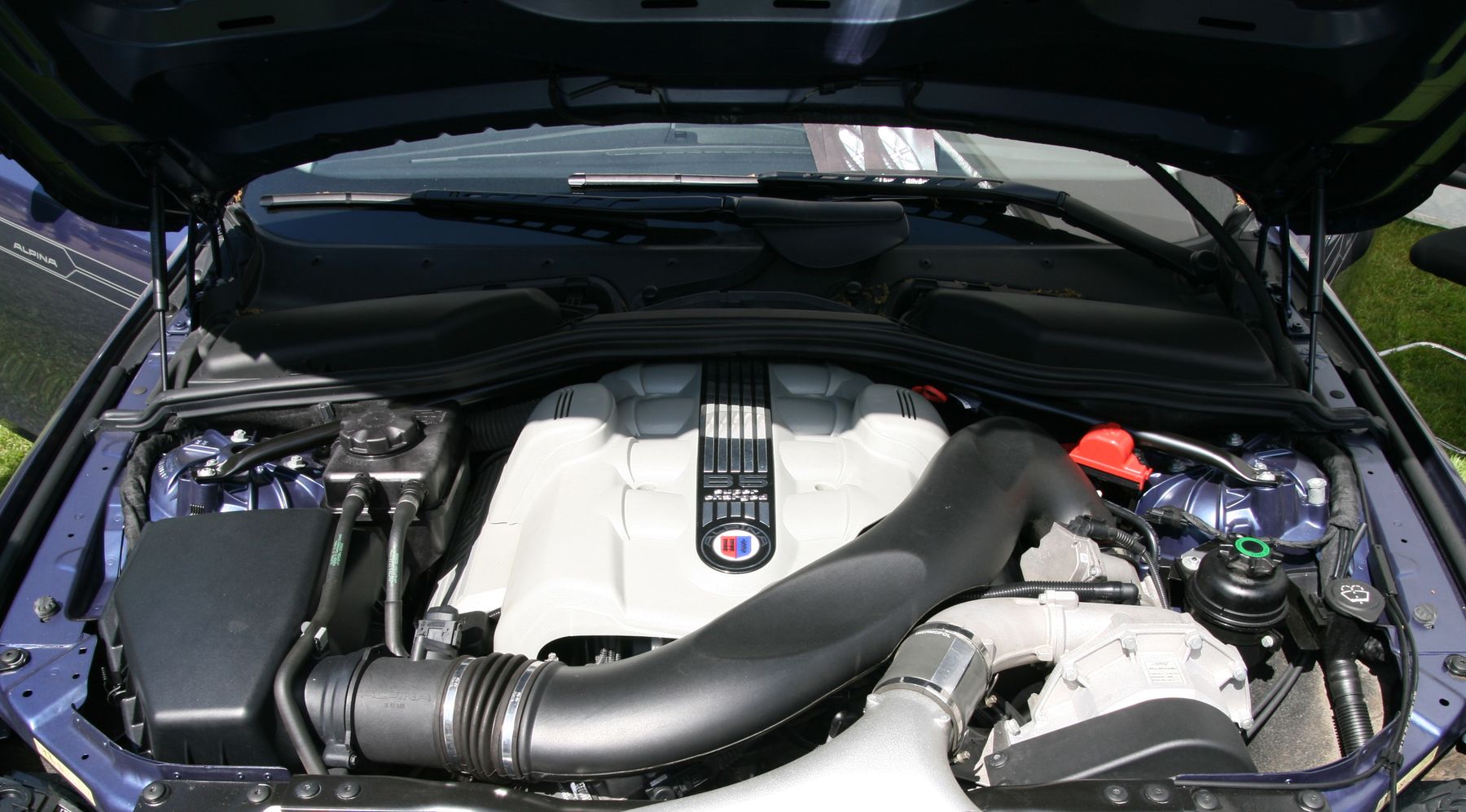
A tune-up starts with a reading
There are no points to file or carburetors to set any more. What is left is renewing what has reached the end of its life and finding what has drifted out of range. We read the car first — codes, fuel trims, misfire counts — before a part is ordered.
Ignition
Spark plugs at the manufacturer’s interval and gap, with the coil boots checked for oil and tracking. If one cylinder shows a misfire, we trace that cylinder to its cause first and say what we found, rather than changing everything out of habit.
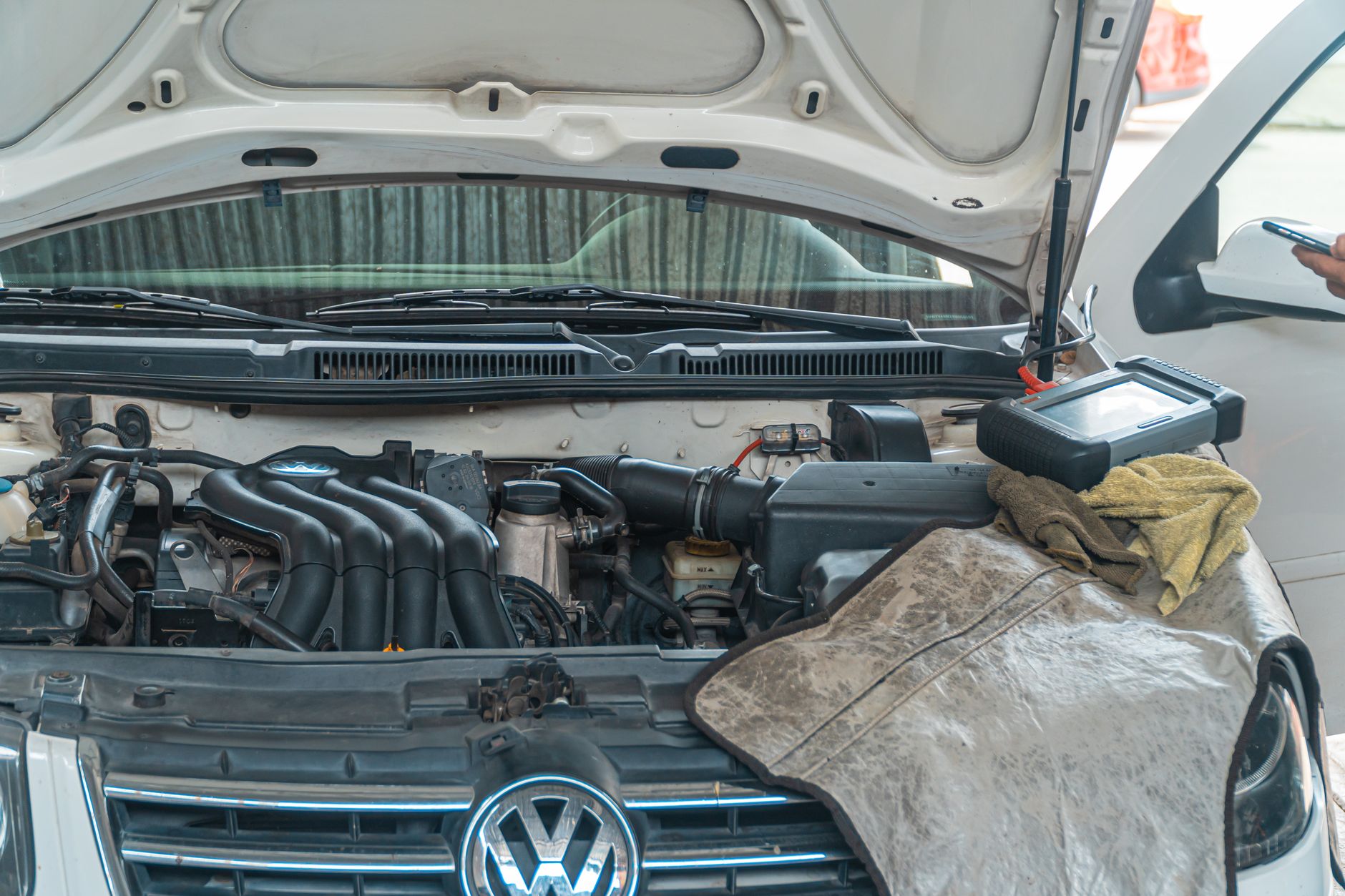
Air and fuel
Engine and cabin air filters are replaced by condition. A throttle body that shows carbon build-up is cleaned. Fuel trims tell us whether the engine is quietly correcting for a leak, a dirty sensor or a tired injector.
Proved on the road
A road test with live data logged before and after, so the change shows as numbers: idle quality, trims, misfire count. If the numbers did not move, the repair order says that too.
Tell us the symptom. We will tell you the next opening.
The chat takes the symptom and the vehicle, then hands it to the desk. It takes appointment requests — it cannot book, hold or confirm a time, and it never tries to diagnose your car in a chat window.