
RV & trailer service in Sarasota. The trip you do not cancel.
Sarasota, Florida · family-run since 2007
Three bays, one mobile van, and a written inspection sheet that goes home with you whether we did a dollar of work or not. Roof, tires, bearings, gas, batteries, seals — walked in order, one line each, the reading written down as it was taken.
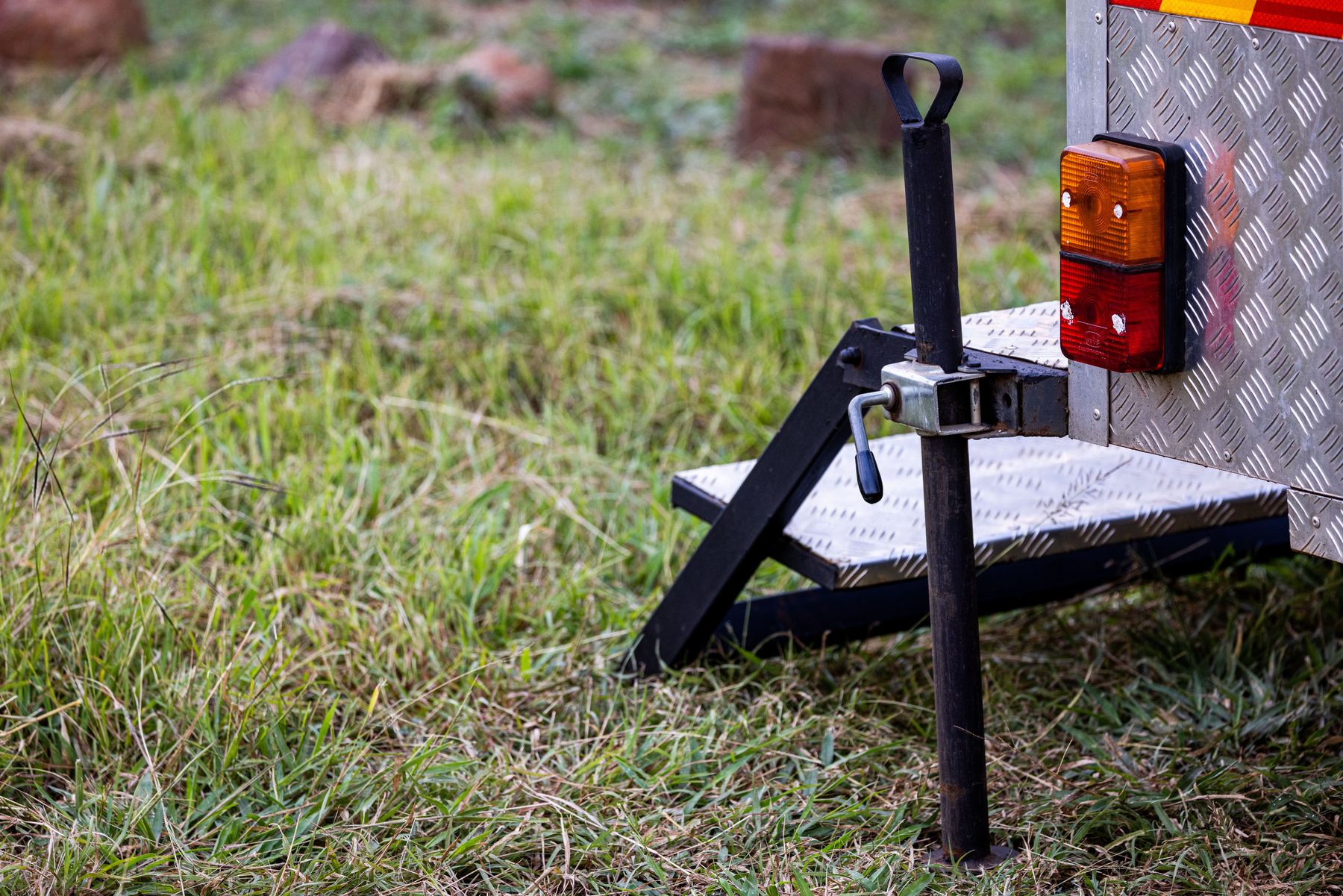
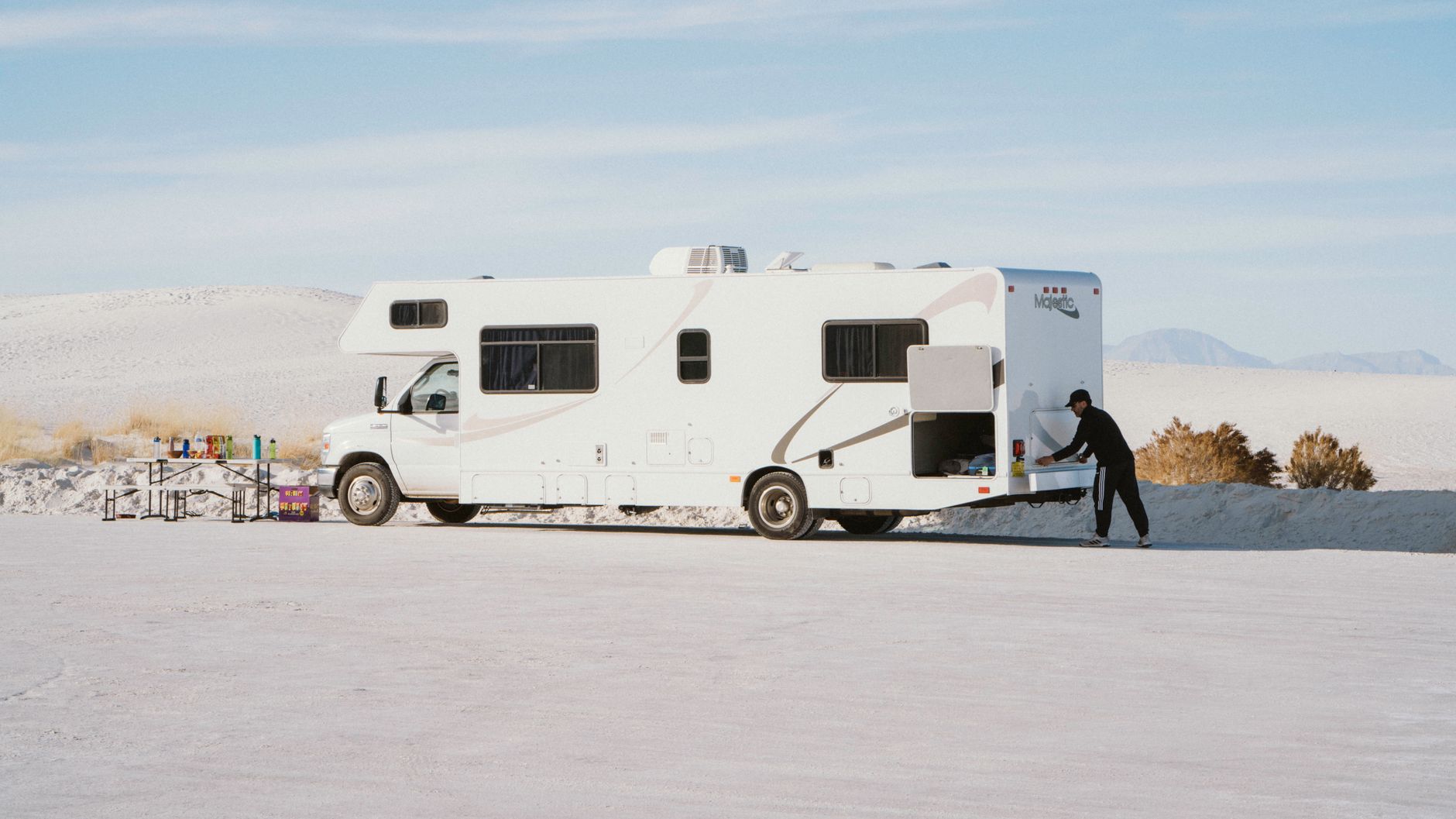
One rig, one day in the bay, weeks before you go
A trip is not cancelled on the road. It is cancelled in the driveway, the morning you find out. This is a pre-trip inspection hour by hour — including the line somebody else had already quoted and we would not sell you.
- 07:50
You bring it in weeks out, not days
The date you are leaving goes on the work order at the top, because that is the number the whole day is measured against. March and October fill first, and a pre-trip walk is booked three or four weeks ahead for one reason: so there is time to act on whatever it finds.
- 08:10
The walk, in the order it is always walked
Roof membrane, lap sealant, tires, pressures from scale weights, bearings, brake shoes and magnets, gas leak-down, regulator pressure, batteries, slide seals, the fridge and the tanks. Twelve lines, top to bottom, each reading written at the rig as it was taken. Stand there for it if you want to.
- 10:35
Line 03 — six tires, not sold, $0.00
Quoted by somebody else and declined here. The DOT date codes on all six read 3421 and 3521, so they were made in late 2021, and the tread and sidewalls are sound — no crazing, no bulges, no flat-spotting. RV tires age out before they wear out and the number that matters is the date code, not the mileage. We will tell you the season they need replacing. It is not this one.
- 14:20
What did need doing gets done. Nothing else does
Bearings pulled, cleaned, inspected and repacked with new seals. Two roof penetrations resealed and four left alone, because the other four are not cracked and not lifting. One house battery replaced and not the pair, because the second one is eleven months old and tested clean under load. The curb-side wiper seal is compressed but sealing, so it is on the sheet to watch, not on the invoice.
- 16:40
You tow it home with the log and the weeks still in hand
Twelve lines, five of them at zero. If the walk had found something that could not be put right before your date, you would have heard that today, with time to do something about it — not on the morning you were meant to leave. That is the difference between an inspection and an invoice.
That is the whole product: a trip you do not cancel, and a log with the zeroes left in — the lines where we sold you nothing are the ones that make every other line on it worth believing.
The document you keep
This is the sheet a pre-trip inspection produces. It is not a quote and it is not a sales tool. It is the order we walked the rig in, what we found, and what it cost — with the zeroes left in, because the zeroes are the part you cannot get anywhere else.
The other four penetrations are not cracked, not lifting and not due. We did not scrape and reseal a whole roof to make the invoice look thorough.
Date codes read 3421 and 3521 — manufactured late 2021, so under four years old. Tread depth and sidewalls are sound, no crazing, no bulges, no flat-spotting. We will tell you the season they need replacing. It is not this one.
Not the number molded on the sidewall. That is the pressure for the tire’s maximum rated load, which your rig is not carrying.
We replaced one, not the pair. The good one is eleven months old and testing clean, and pairing it with a new mate is fine here because it is the same chemistry and close in age.
The sensor is wrong, not the tank. Paper and residue bridge the probes and they read high forever after. We flushed it clean and it still reads 2/3, so stop trusting the panel and start counting days.
Every line is written on the rig, at the rig, in the order it was checked. You get this sheet whether or not anything needed doing — the lines where we sold you nothing are the point of it. Example log. Job number, date and every reading on it are invented for this demonstration.
Line 03 — the one that matters
Not sold Line 03 · six tires · $0.00
Six new tires — not sold, $0.00. Quoted by someone else and declined here. The DOT date codes on all six read 3421 and 3521 — manufactured late 2021, so they are under four years old — and the tread and sidewalls are sound. RV tires age out before they wear out, and the number that matters is the date code, not the mileage. We will tell you the season they need replacing. It is not this one.
That is the most important sentence on this website. A shop that will not write that line is a shop whose other lines you have no way of checking.
The numbers the trade keeps to itself
None of this is proprietary. All three are things you can check yourself, standing at your own rig, in about ten minutes. We publish them because a customer who can check us is a customer we have to be right in front of.
Read your own date code
On the sidewall, after the letters DOT, there is a string ending in four digits. Those four are the week and the year the tire was built. 3421 is the 34th week of 2021. It is molded on one side only, so if you cannot find it, look at the inboard face.
Industry guidance is to replace RV tires on age — the NTSB and the tire makers put it at five to six years — regardless of how much tread is left. A trailer tire parked in Florida sun fails from the inside out, and the tread depth tells you nothing about that.
Weigh it, do not guess it
Correct pressure comes from the actual weight sitting on that axle, checked against the tire manufacturer’s inflation table. The number molded on the sidewall is the cold pressure for the tire’s maximum rated load — which is almost never what your rig weighs.
We set pressures from weight. It is the single most-skipped step in this trade, it takes one trip to a scale, and it changes how a trailer tows more than any accessory you can bolt to it.
A roof is a schedule, not a surprise
Sealant is a maintenance item with an inspection interval — twice a year and after anything heavy hits it. It is not a repair item you discover from a brown ring on the ceiling. By the time the ceiling tells you, the decking under the membrane has been wet for months.
And the other half of that: we will tell you plainly when a roof does not need resealing yet. Line 01 above was a pass. Four of the six penetrations on line 02 were left alone.
Stops along the route
Eight kinds of work, in roughly the order a rig meets them over a season. Follow the route or jump to the one that is bothering you.
The full walk, in a fixed order, ending in the log sheet above. Book it three or four weeks out, not three days, so there is time to act on what it finds.
Half a day · the log goes home with you
Membrane, seams, and every penetration through it. Reseal what has actually failed and leave the rest, which is the difference between maintenance and a re-roof you did not need.
Inspect twice a year · after any low branch
Date codes, scale weights, pressures from the table. Bearings pulled, cleaned and repacked with new seals. Shoes and magnets measured, not eyeballed.
Bearings: roughly annually or 12,000 miles
A proper leak-down test on a gauge, regulator outlet pressure in inches of water column, and the absorption fridge run until it actually gets cold.
A smell is not a test · a gauge is
Shore power, converter and inverter are three different things, and knowing which one has failed is most of the repair. Batteries tested under load, not at rest.
House bank · chassis · charging
Bulb and wiper seals cleaned and treated, rails and rollers checked, and the room brought in square. A slide that runs out of sync eats a seal every season.
Treat the seals · do not grease the wrong rail
Belts, clutch housings, air filters after dust, diff oil after water, and the fuel system on anything that sat through a season on pump gas.
The maintenance nobody does until it stops
The van comes to the storage lot or the campsite for inspections, gas tests, batteries and seals. Some jobs still need the bay, and we say so before we roll.
Sarasota County · and honest about its limits
How a job actually goes
You call. We walk the rig with you standing there if you want to be, and we write down what we find in the order we find it. Then you get an estimate in writing — parts, labor hours, and the lines we recommend leaving alone with the reason why. Nothing gets opened up, ordered or fitted until you say yes to that sheet.
When the work is done you get the log again, marked up: what was done, what was measured afterwards, what we deliberately did not touch. Two sheets, one job, and you can hold the second against the first.
What we will not do
- Quote a repair over the phone from a description. We have never once been right doing that.
- Sell tires on tread depth when the date codes say they have years left.
- Reseal an entire roof because two penetrations needed attention.
- Replace a matched pair of batteries when one of them tests clean.
- Tell you a slot is held before it is written on the board.
Sarasota · Sarasota County
Bring it in before the season, not during it
March and October fill up first, because that is when everybody remembers. If you have a trip in mind, call with the date and we will be straight with you about whether we can do it properly in the time you have.