Work · keeping it
The wash is where the damage comes from.
Not the road, not the sun, not the years. Almost every swirl mark in almost every car was installed by somebody cleaning it, usually with care and usually with the wrong method.
Where the swirls actually come from
Not the road, not the sun, not the years. Almost every swirl mark in almost every car was installed by somebody cleaning it.
What actually happens in a bad wash
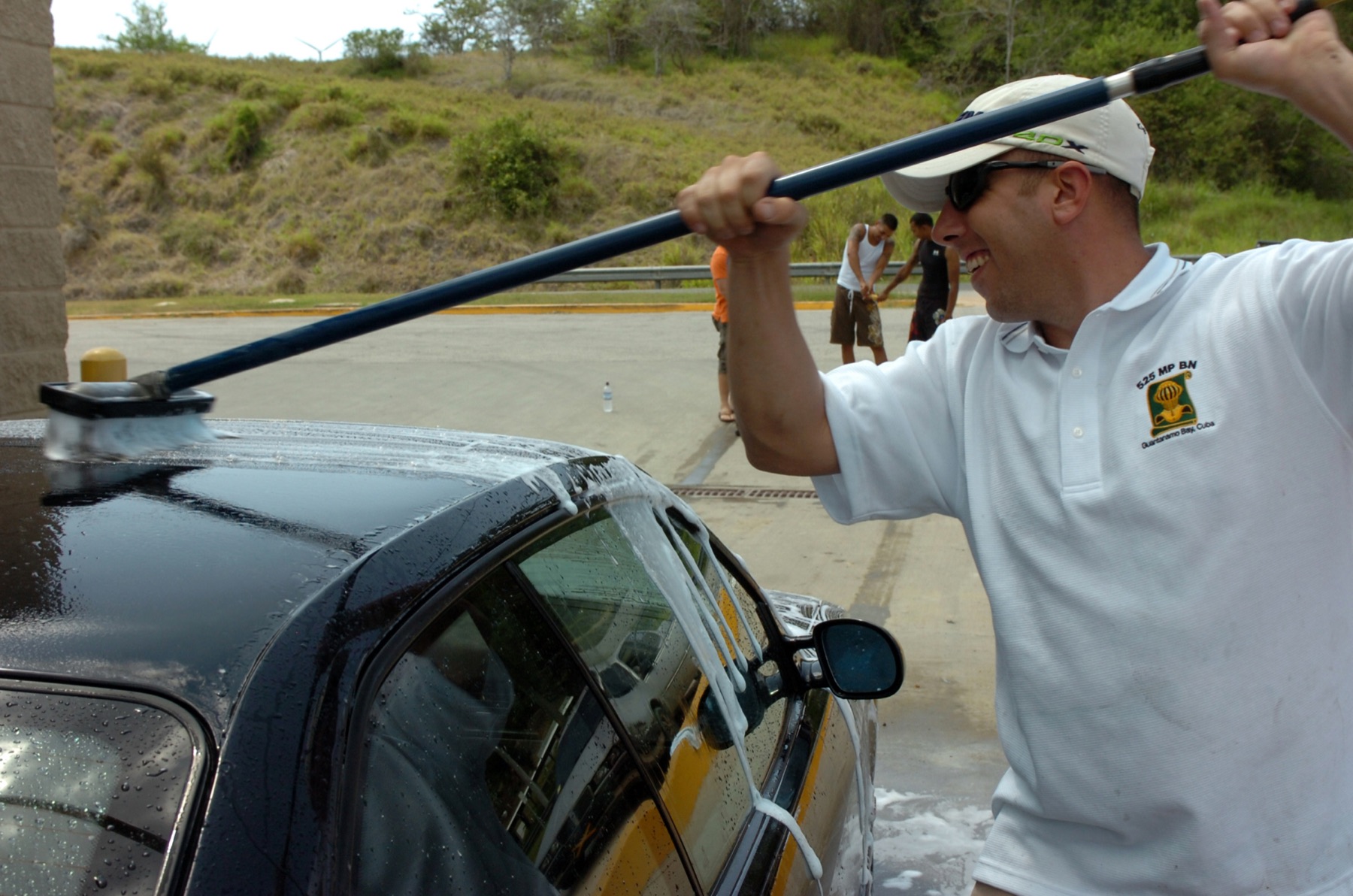
Dirt is abrasive. A wash mitt loaded with grit dragged across a panel is a very fine sanding block, and one bucket means every dip reloads the mitt with everything you just removed. A brush at a tunnel is worse: it carries the grit of every car ahead of you in the queue. Drying a dusty panel with a dry towel is worse again, because there is no lubrication at all. None of this leaves a mark you can see on the day. It leaves a haze you notice in low sun six months later and blame on the paint.
The method, in full, with nothing hidden
- Wheels and arches first, with separate tools that never touch paint. They are the dirtiest part of the car and everything loosened there ends up somewhere.
- Rinse from the top down to carry the loose grit off before anything makes contact.
- Pre-wash foam, and let it dwell. This step does the actual work: it lifts and floats the abrasive material off the paint chemically so the mitt meets far less of it.
- Two buckets, grit guards in both. One shampoo, one rinse. The mitt goes back into the rinse bucket and is agitated against the guard after every single panel.
- Straight lines, one section at a time, top down. Straight passes because a circular motion produces the halo pattern people call swirls; top down because the lower quarters and rockers are filthiest and go last.
- pH-neutral shampoo on a coated car. Strong degreasers strip the surface chemistry and take months off the coating for the sake of one wash.
- Rinse thoroughly, then dry with air first. A blower gets water out of mirrors, badges, grilles and trim seams — the places that dribble down a dry panel ten minutes later and leave a mineral spot. Only then a clean drying towel, laid and drawn rather than rubbed.
What a maintenance wash here includes
The above, plus a check of the finish under a light: whether the coating is still behaving, whether contamination has started to key into the surface again, and whether anything has landed on the car that needs attention before it etches. Wheel faces and barrels cleaned properly, glass done inside and out, door shuts and sills wiped, tires dressed matte rather than wet.
Honest advice you did not pay for
If you are prepared to do this yourself, do. Two buckets, two grit guards, a decent mitt, a pH-neutral shampoo and a drying towel is not an expensive kit, and doing it right every fortnight preserves a corrected finish far more effectively than any product anybody can sell you. The reason to bring a car here for washing is time, or a garage with nowhere to do it — not because the technique is a secret. It is written above in full.
The one rule that matters most. Never a brush wash. Not once, not “just this week”. A single pass through a brush tunnel can undo a correction that cost a real proportion of the clear coat your car will ever have.