02 · Repairs
Sometimes the answer
is three hundred dollars
and a straight answer
A great many roofs that get replaced did not need replacing, and a great many that get repaired should not have been. The difference is not the roof's age. It is whether the damage is local, whether the deck is sound, and whether the shingle will still bend.
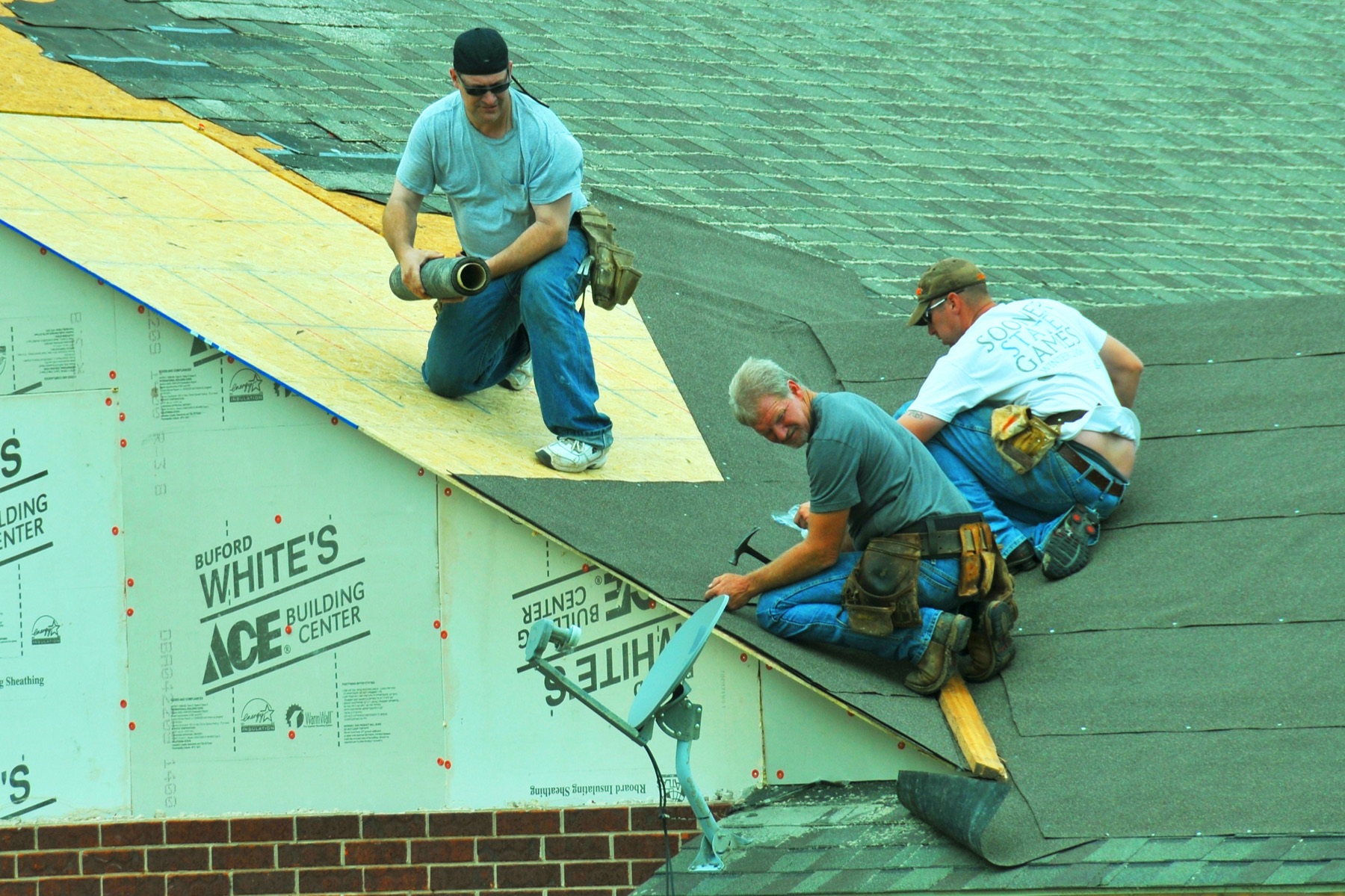
Repairs
- First test
- Will the shingle still bend?
- Boots
- Replaced, not sealed. Lead, dressed into the pipe
- Cap
- Replaced with 6 nails and sealed heads
- Old face nails
- Pulled and covered, not smeared with cement
- Flashing
- New metal, not the old piece bent back
- Color
- Profile matched, color never promised
- Report
- Written, same as any other job
- We will say no
- When a repair breaks more than it fixes
The bend test
Before we quote a repair, we lift a tab. A shingle with life in it will flex enough to get a flat bar under the course above and pull the nails without cracking. A shingle that has gone brittle snaps, and every one you break to get at the one you meant to fix has to be replaced too. On a roof like that a $300 repair quietly turns into a $900 repair that looks worse than what it replaced, and the honest answer is to say so and stop.
That is the conversation we would rather have on the ladder than in an invoice.
What genuinely repairs well
Pipe boots. The commonest repair there is, and the cheapest. The neoprene collar cracks round the pipe long before anything else on the roof is tired. Done properly the boot is replaced — not smeared — which means lifting three courses, pulling the nails, sliding the old flange out, sliding a lead boot in under the shingles above and over the shingles below, re-nailing and sealing the heads.
Blown-off ridge cap. Cap takes the wind first and often goes on its own while the field is fine. New cap, six nails, sealed.
A slipped or missing shingle. Straightforward if the mat still bends, and the only real skill is getting the nails out of the course above without tearing it.
Exposed nails and old repairs. Every roof that has been worked on has a constellation of face nails somebody sealed with roofing cement. That cement is now cracked, and cracked cement holds water against the nail rather than shedding it. Those get pulled, patched properly or re-nailed under cover.
Flashing at a wall. Replaceable without touching the field of the roof if the shingles will lift. This is the repair most often faked with a bead of sealant.
What does not repair well
Widespread granule loss, which is the mat losing its sunscreen — there is nothing to fix, only to replace. Shingles that have cupped or clawed at the edges, which usually means the deck under them has been damp and hot for years and the problem is ventilation, not the shingle. And any roof where the last three repairs were also emergency repairs; at that point you are renting a roof at a poor rate.
Color
We will match the profile. We will not match the color, and neither will anybody else. Shingle color is a blend of granule colors and it changes between production runs, and then the roof fades on top of that. A repair on a rear slope is invisible from anywhere that matters. A repair in the middle of the front elevation will be a slightly different shade for the rest of the roof's life, and you should be told that before we start, not after.
What a repair visit includes
The same written condition report as everything else, because a repair is a good moment to find out what the other eleven penetrations look like. If the roof needs nothing else, the report says that, and the last line is the date we would want to look at it again.
Other work
The rest of what we do
- 01 Tear-off and re-roof Old roof to the deck, deck repaired and re-nailed to code, dried in, flashed and shingled. The only version of a new roof we sell.
- 03 Leak diagnosis Attic first, roof second, water test third. The stain on your ceiling is almost never under the hole.
- 04 Flashing and pipe boots Step, counter, apron, kick-out, valley metal and boots. Where roofs actually leak, and where caulk pretends to be a repair.
- 05 Ventilation, intake and exhaust Ridge vent is the easy half. The soffit intake feeding it is the half that is usually missing.
- 06 Storm inspection What we look at after a blow, what we will document, and the two things Florida law says a roofer cannot do for you.
- 07 Gutters, fascia and drip edge Gutter apron, hanger spacing, pitch and outlet count. Most rotten fascia is a drip edge problem wearing a gutter costume.
- 08 Flat and low-slope roofing Lanais, porch roofs and additions under 2:12, where shingles do not belong and a self-adhered system does.